
Creative Ways to Enjoy Life After Midlife
Midlife is a fantastic new beginning full of opportunities for fulfillment, discovery, and creativit...

When you personalize merchandise to your customers, you let them know that they are not just a number, but a unique part of your brand, as people love things that are made personally for them.

Giving customers merchandise is an underrated customer loyalty strategy that can transform your customers into long-term supporters of your brand. But merchandise is not all about pasting your logo everywhere. Instead, it is about giving your customers a connection with your brand so that they serve as word-of-mouth marketers wherever they take your merchandise.
Knowing who you are selling to is the first step in selling merchandise that your customers need, so, you need to deep-dive into the demographics of your potential customers and understand who they are and what they want, their likes and dislikes, and their preferred type of aesthetic. While some people like bold and loud designs, others prefer minimalism. You need to know if they would prefer quirky stuff or classic and timeless stuff. Knowing your customer will help you design merchandise that is specifically suited to them, increasing the chance of them wanting it and using it.
The best way to make the most out of giving merchandise is to think of ways of making it functional, as items that are usable in daily life mean that people will use them, which will increase brand visibility. You do not want to waste your money by selling merchandise that ends up tossed in the bin, so think of things that customers will use regularly, such as water bottles, customized stationery, and apparel like custom T-shirts. For example, a water bottle is not only something that people use regularly, but it is also a high-quality item, is aligned with sustainability, and of course, every time someone takes a sip from your water bottle, your brand gets highlighted. According to some research, 85 percent of people are more likely to choose a brand after they have received promotional items, which highlights the importance of giving away free stuff.
Do not limit your merchandise products to making them functional, but also try to make them look aesthetically pleasing, as people also want and use things that look good. So, when designing a T-shirt, for example, do not just insert your logo, but also think of a cool design that would make the T-shirt stand out and make it look interesting, so your customer may wear that shirt when he goes out, rather than using it as a night suit. The same goes for designing tote bags, phone cases, notebooks, and power banks. Make sure that the branding is subtle and that customers are not bombarded with a long list of logos, which makes the merchandise look unappealing, and further, you can even add some fun to your designs, like using beautiful colors for a planner, or making a bottle with a very unique shape or cut that turns heads.
When thinking about making merchandise, create a few good merchandise items that are of extremely good quality, rather than creating multiple items that are not durable. Good quality items not only last longer, which makes them sustainable, but also make the person using them feel good about your brand and convey to them that you care about the comfort of your customers. And because of the limited items available, it also makes them feel exclusive, and in this way, you give away an item that the person will forever cherish.
When you personalize merchandise to your customers, you let them know that they are not just a number, but a unique part of your brand, as people love things that are made personally for them, for example, you can add the name and initials of your customer or even offer customized color options or limited edition drops. With each customized parcel, you can even give away a customer discount code or gift cards, specifically addressed to them. Personalization is a very good marketing tactic, and doing all this will make the customers feel exclusive, increasing the chances of them purchasing something or talking nicely about your brand.
Do not think of selling merchandise as extra marketing but think of it as a core part of how your brand connects with your customers to retain them. Your focus should not just be on adding your logo everywhere, but on how your merchandise makes customers feel, and what it says about your brand.
You must be logged in to post a comment.
Explore our curated selection of various articles in this category

Midlife is a fantastic new beginning full of opportunities for fulfillment, discovery, and creativit...

Adopting a refined, fresh style does not mean you are trying to erase your age. It merely means you...
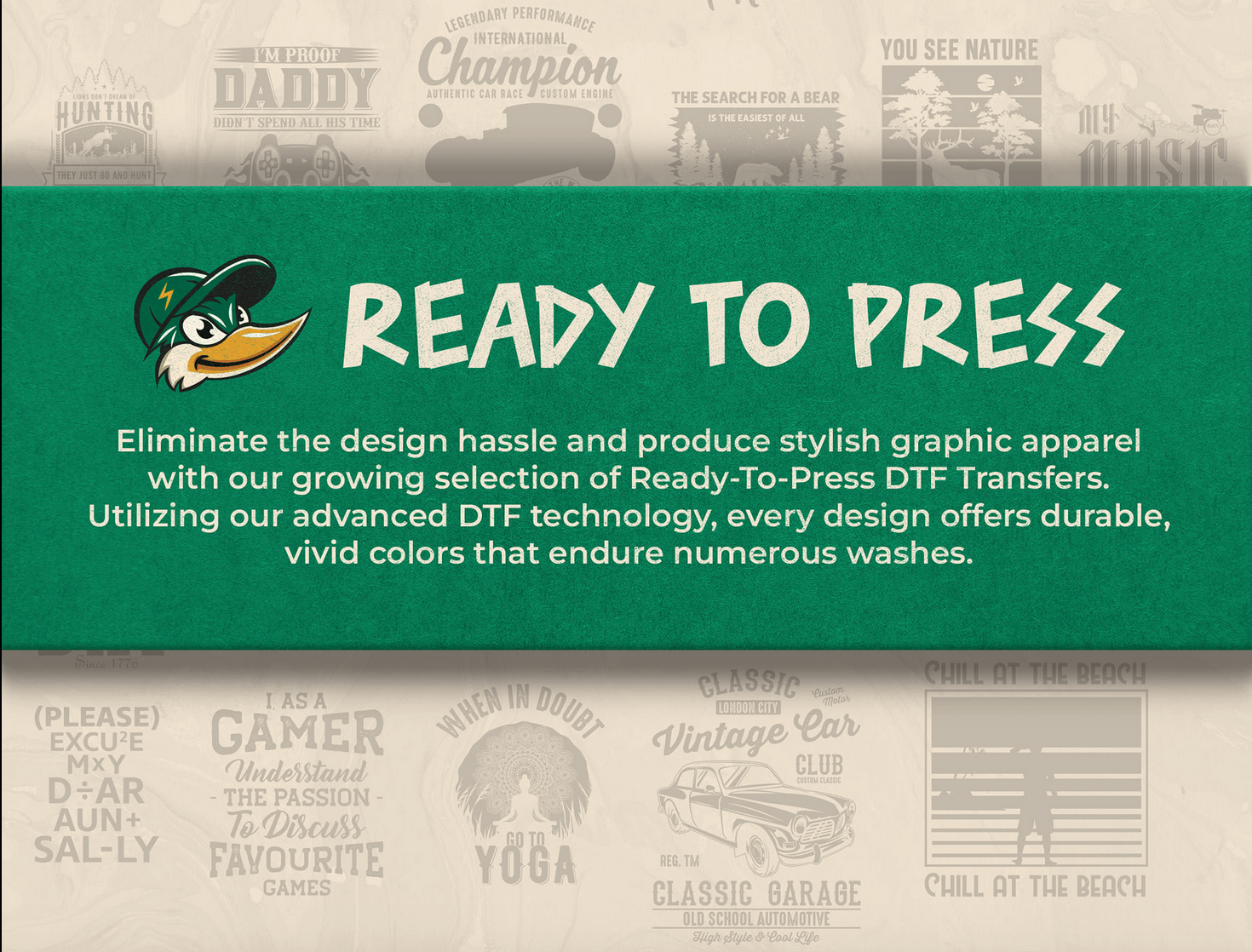
Ready to Press DTF Prints: By adding the "ready to press" DTF transfer design to your products, you...