
IT Recruitment in Poland: A Complete Guide for International Companies
Expand your tech team with confidence. Learn everything about IT recruitment in Poland, including hi...

Discover the 10 most high-tech hotels in the world and explore how AI, smart rooms, robotics, and cutting-edge innovation are transforming the modern guest experience in luxury hospitality.
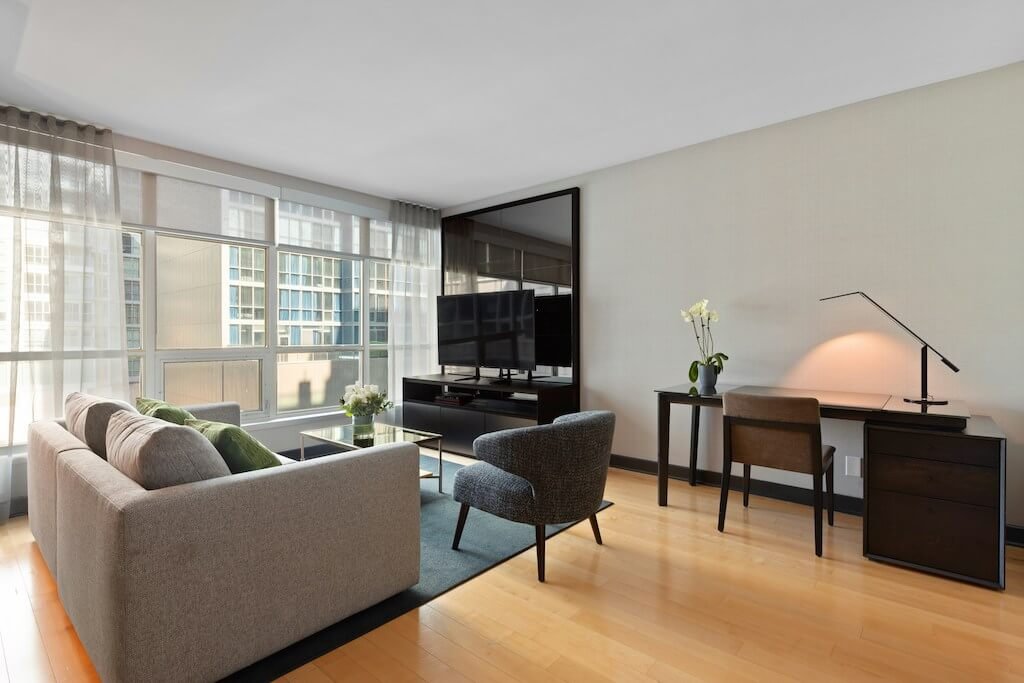
Technology has transformed nearly every aspect of hospitality. Today's travelers expect more than a comfortable bed and a convenient location, they expect seamless connectivity, personalized experiences, smart rooms, contactless services, and entertainment that rivals what they enjoy at home.
Around the world, a growing number of hotels are embracing cutting-edge hospitality technology solutions to improve guest satisfaction while streamlining operations behind the scenes. Artificial intelligence, Internet of Things (IoT) devices, robotics, digital room controls, hospitality televisions, mobile check-in, and cloud-based management platforms are no longer futuristic concepts. They are becoming standard features in premium hotels and increasingly accessible across midscale and select-service properties as well.
Whether you're a hotel owner planning a renovation, a developer designing a new property, or simply fascinated by hospitality innovation, these hotels showcase what is possible when technology and guest experience work together.
Being a high-tech hotel isn't simply about filling guestrooms with gadgets. The best technology becomes nearly invisible, creating a smoother, more intuitive stay without adding unnecessary complexity.
Modern hospitality technology generally focuses on several key areas:
The world's leading hotels understand that technology should reduce friction rather than create it.
Let's explore some of the industry's most impressive examples.
1. Henn na Hotel – Japan
Perhaps no hotel has become more famous for technology than Henn na Hotel in Japan.
Originally launched with the vision of becoming the world's first robot-operated hotel, Henn na Hotel introduced robotic receptionists, robotic luggage storage, automated concierge services, facial recognition check-in, and room assistants that could answer guest questions.
While some of the more experimental robots were eventually retired after guest feedback, the hotel remains an excellent example of how automation can streamline repetitive operational tasks.
Notable technology includes:
One of the biggest lessons from Henn na Hotel is that technology should solve problems rather than simply impress guests. The hotel has evolved by keeping automation where it genuinely improves efficiency while removing features that complicated the guest experience.
2. YOTEL – Multiple Global Locations
YOTEL has built its entire brand around technology and efficient design.
Inspired by luxury airline cabins, YOTEL guestrooms maximize functionality while incorporating smart automation throughout the property.
Guests can:
Several locations also feature robotic luggage storage systems that automatically retrieve guest baggage.
Behind the scenes, automation helps reduce operational costs while enabling staff to spend more time assisting guests rather than handling administrative tasks.
3. The Sinclair Hotel – Fort Worth, Texas
The Sinclair Hotel demonstrates how historic architecture and modern technology can coexist beautifully.
Located inside a restored 1930s landmark building, the hotel incorporates one of the most advanced smart room infrastructures in North America.
Guestrooms feature:
Power-over-Ethernet (PoE) technology powers many room systems, simplifying infrastructure while improving energy efficiency.
The result is a luxury hotel experience where guests rarely need to touch a traditional light switch.
4. Eccleston Square Hotel – London
Although it is a boutique property with fewer than 40 guestrooms, Eccleston Square Hotel has become famous for incorporating technology usually found in much larger luxury hotels.
Rooms include:
The property demonstrates that technological sophistication is not limited by hotel size.
5. FlyZoo Hotel – Hangzhou, China
Created with significant AI integration, FlyZoo Hotel offers one of the world's most digitally connected hospitality experiences.
Guests use facial recognition throughout much of their stay.
Technology powers:
Robots deliver amenities directly to guestrooms while AI continuously helps optimize hotel operations.
The hotel offers a glimpse into what increasingly automated hospitality could look like in the coming years.
6. Marriott's Smart Room Innovation Labs
Rather than showcasing technology at a single property, Marriott International has spent years experimenting with Smart Room concepts that continue influencing new hotel developments worldwide.
These concepts include:
The goal is personalization.
Imagine arriving at your hotel and finding:
Many of these technologies are gradually appearing across Marriott properties.
7. Hotel EMC2 – Chicago
Hotel EMC2 blends science, art, and hospitality through interactive technology.
Robot assistants named Leo and Cleo deliver:
Guests can even interact with the robots during delivery, creating a memorable experience while reducing staff workload for routine requests.
Meanwhile, guestrooms feature smart televisions, connected controls, and modern business technology aimed at today's travelers.
8. CitizenM Hotels
CitizenM has become one of the world's leading examples of affordable luxury supported by technology.
Every guestroom includes tablet controls that allow guests to manage:
The hotel chain also emphasizes:
Rather than overwhelming guests with complicated features, CitizenM focuses on simplicity.
9. Wynn Las Vegas
Luxury hotels increasingly integrate smart home ecosystems into premium guestrooms.
At Wynn Las Vegas, many rooms feature voice-controlled automation that allows guests to control:
The technology works naturally without requiring guests to learn complicated interfaces.
Luxury travelers increasingly expect this level of convenience.
10. Aria Resort & Casino – Las Vegas
Aria has long been recognized as one of the most technologically advanced resorts in North America.
Its guestrooms feature integrated automation capable of adjusting:
When guests enter the room, multiple systems activate automatically based on occupancy.
Combined with advanced building management systems, these technologies improve both guest comfort and operational efficiency.
Although every property approaches innovation differently, several technologies consistently appear among the world's most advanced hotels.
Smart Hospitality TVs
Today's hospitality televisions have become digital communication hubs rather than simple entertainment devices.
Modern hospitality TVs offer:
Hospitality televisions from manufacturers such as Samsung, LG, and Philips integrate directly with property management systems, interactive platforms, and guest engagement software.
Unlike consumer televisions, hospitality models are specifically engineered for commercial environments, offering centralized management, enhanced security, longer product availability, and features designed for hotel operations.
Smart Climate Control
Heating and cooling account for a significant percentage of hotel energy consumption.
Modern smart HVAC systems, including advanced PTAC and VTAC units, can automatically:
Variable-speed inverter technology further improves energy efficiency while reducing guestroom noise.
Mobile Guest Journey
Many hotels now allow guests to complete nearly every part of their stay using their smartphones.
Capabilities often include:
Reducing front desk queues creates a smoother arrival experience while allowing hotel staff to focus on personalized service.
AI-Powered Customer Service
Artificial intelligence increasingly assists hotel teams through:
AI complements staff rather than replacing them, enabling faster responses to routine questions while allowing employees to focus on more meaningful guest interactions.
Robotics
Although still relatively uncommon, robotics continue expanding within hospitality.
Current applications include:
Hotels generally achieve the greatest success when robots handle repetitive operational tasks rather than replacing guest-facing hospitality altogether.
Guests typically notice room controls and entertainment systems first, but much of a hotel's technological sophistication exists behind the scenes.
Modern hotels increasingly invest in:
These systems work together to improve efficiency while reducing operating costs.
For example, predictive maintenance can identify HVAC issues before a guest notices a problem, reducing downtime and emergency repairs.
Similarly, integrated analytics help operators understand occupancy patterns, staffing requirements, and energy consumption.
One of the greatest benefits of hospitality technology is sustainability.
Modern smart hotels can significantly reduce:
Occupancy sensors automatically power down unused guestrooms.
Smart thermostats reduce unnecessary heating and cooling.
LED lighting adjusts according to room occupancy.
Connected irrigation systems optimize landscaping water use.
Many hotel brands now view technology investments as both guest experience improvements and sustainability initiatives.
As hotels become more connected, cybersecurity has become just as important as physical security.
Today's high-tech properties protect guest information through:
Every connected television, thermostat, lock, and IoT device represents a potential entry point for cyber threats if not properly managed.
Hotels investing heavily in smart technology must also invest in robust cybersecurity policies and ongoing network monitoring.
The next generation of hotels will become even more personalized.
Emerging technologies include:
Rather than simply adding more technology, the industry's focus is shifting toward making technology less noticeable.
The most successful hotels will create experiences where everything simply works, from entering the room to streaming entertainment, adjusting the temperature, ordering room service, and checking out, all without friction.
Hotel owners don't need billion-dollar budgets to benefit from hospitality technology.
Many of the innovations that improve guest satisfaction are increasingly affordable and scalable, including:
The key is choosing technologies that align with your property's operational goals and guest expectations rather than adopting technology simply because it is new.
Hotels that prioritize seamless connectivity, reliable entertainment, efficient climate control, strong cybersecurity, and personalized service often see improvements in guest satisfaction, operational efficiency, and long-term profitability.
The world's most high-tech hotels demonstrate that innovation is no longer reserved for luxury flagship properties. From AI-powered guest services in Asia to smart guestrooms in Europe and connected resorts in North America, technology is reshaping every stage of the hospitality journey.
For hotel owners and operators, the lesson is clear: successful hospitality technology isn't about showcasing the latest gadgets, it's about creating a more intuitive, comfortable, and memorable experience for every guest.
As connected devices, artificial intelligence, cloud platforms, and smart hospitality infrastructure continue to mature, hotels of every size will have greater opportunities to deliver the seamless experiences today's travelers increasingly expect. Those who invest thoughtfully in scalable, guest-focused technology will be well positioned to meet evolving expectations while improving efficiency, sustainability, and competitiveness in an increasingly digital hospitality landscape.
You must be logged in to post a comment.
Explore our curated selection of various articles in this category

Expand your tech team with confidence. Learn everything about IT recruitment in Poland, including hi...

Professional human voice over services help businesses create recordings that sound authentic, engag...
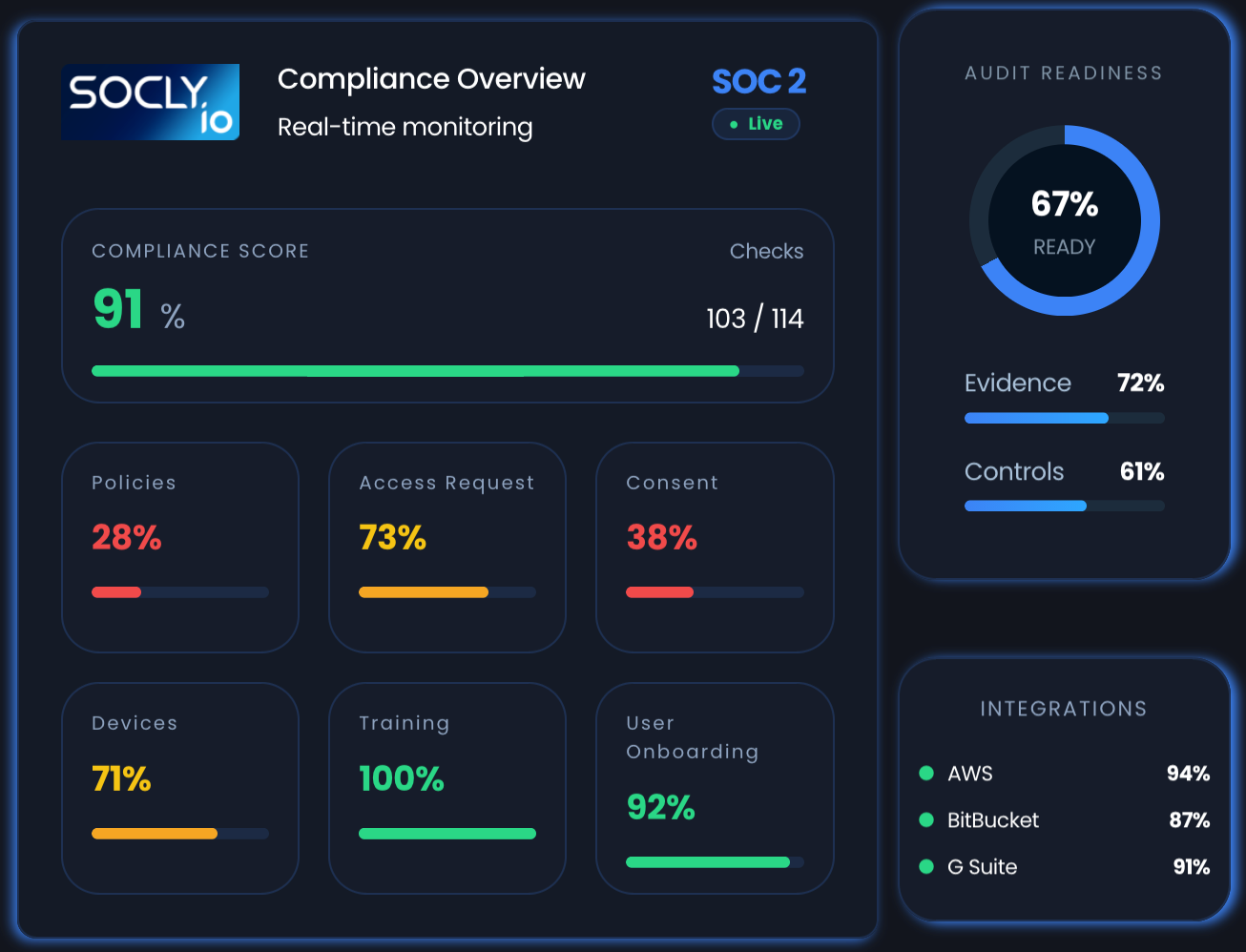
Ultimately, SOC 2 is not about how much you automate—it’s about how well you operate.