Beyond the Lump: Understanding Sarcoma Cancer
Sarcoma cancer may be rare, but awareness is essential. Because its symptoms are often subtle in the...

Early childhood health starts with nutrition, preventive care, activity, and emotional support - helping children grow into strong, healthy, and resilient adults.

Early childhood is a critical stage in human development, laying the foundation for lifelong health and well-being. During these formative years, children experience rapid growth physically, emotionally, and cognitively. Ensuring that they receive proper care, nutrition, and guidance is essential not only for their immediate health but also for their future success. Parents, caregivers, and communities all play a role in fostering environments where children can thrive. By prioritizing early childhood health, society invests in stronger, healthier generations to come.
Proper nutrition is one of the most important factors in early childhood health. Balanced diets rich in fruits, vegetables, proteins, and whole grains provide the energy and nutrients children need to grow and develop. Malnutrition or poor dietary habits during these years can lead to long-term health issues, including obesity, diabetes, and weakened immunity. Parents can encourage healthy eating by introducing a variety of foods early, modeling good habits, and limiting processed snacks. Establishing these practices helps children develop positive relationships with food that last well into adulthood.
Routine medical care is vital for monitoring a child’s development and preventing potential health issues. Pediatricians track growth milestones, administer vaccinations, and provide guidance on nutrition and safety. Preventive care ensures that any concerns are addressed early, reducing the risk of complications later. Beyond general medical visits, specialized care is also important. For example, scheduling appointments with a pediatric dentist in San Diego can help families establish strong oral hygiene practices from the start. Dental health is often overlooked in young children, but early intervention prevents cavities and builds habits that protect teeth for life.
Encouraging physical activity is another key aspect of early childhood health. Movement supports muscle development, coordination, and cardiovascular health. Active play also fosters social skills and creativity, helping children learn to interact with peers while exploring their environment. Parents can promote activity by limiting screen time and providing opportunities for outdoor play, sports, or simple games. Even small daily routines, such as walking to school or playing in the yard, contribute to healthier lifestyles. Building these habits early ensures that children view physical activity as a natural and enjoyable part of life.
Health in early childhood extends beyond the physical. Emotional and mental well-being are equally important, as they shape how children perceive themselves and the world around them. Positive relationships with caregivers, consistent routines, and supportive environments all contribute to emotional stability. Teaching children coping skills, encouraging self-expression, and fostering resilience help them navigate challenges with confidence. Early intervention in cases of stress, anxiety, or developmental delays can make a significant difference, ensuring that children grow into emotionally balanced individuals.
Communities and educational systems play a vital role in supporting early childhood health. Access to safe play areas, nutritious school meals, and health education programs reinforces the efforts made at home. Schools and childcare centers can provide structured environments where children learn healthy habits alongside academic skills. Community initiatives, such as vaccination drives or wellness workshops, further strengthen public health outcomes. When families, schools, and communities work together, children benefit from a holistic approach that prioritizes their well-being.
Early childhood health is the foundation upon which future generations are built. By focusing on nutrition, preventive healthcare, physical activity, emotional well-being, and community support, parents and caregivers can ensure that children grow into strong, resilient adults. These formative years are an opportunity to instill habits and values that last a lifetime. Prioritizing early childhood health is not just about protecting children today—it is about investing in a healthier, more successful tomorrow.
(Image source: Pexels)
You must be logged in to post a comment.
Explore our curated selection of various articles in this category
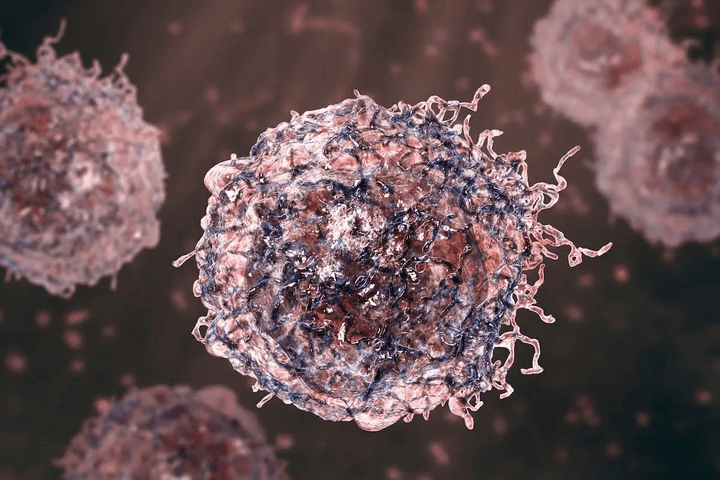
Sarcoma cancer may be rare, but awareness is essential. Because its symptoms are often subtle in the...

Stomach cancer is a serious disease that should never be ignored. Because the early symptoms are oft...

Discover how integrated UC tools help healthcare professionals improve communication, streamline wor...