
Best Rehabilitation Centre in Prayagraj | Sangam Foundation
Sangam Foundation is a leading Nasha Mukti Kendra and rehabilitation center in Prayagraj, providing...

Discover how integrated UC tools help healthcare professionals improve communication, streamline workflows, and deliver seamless, patient-centered care across teams and systems.

Modern healthcare is built on precision, speed, and collaboration. Every patient interaction involves multiple stakeholders, from physicians and nurses to lab technicians and administrative staff. When communication breaks down, the consequences can be serious, impacting both patient safety and operational efficiency. Integrated Unified Communication (UC) tools have become essential in bridging these gaps, creating a connected environment where information flows effortlessly and care delivery becomes more coordinated. This article explores how these tools empower healthcare professionals to achieve seamless patient care.
Healthcare settings are inherently complex, with teams spread across departments and sometimes multiple facilities. Traditional communication methods such as pagers or landlines often fail to keep pace with the demands of modern care. Integrated UC tools consolidate voice, video, messaging, and data sharing into one platform, enabling real-time collaboration without the need to switch between systems.
For example, a physician can review lab results, consult with a specialist via video, and update patient records; all within the same interface. This level of integration reduces delays, minimizes errors, and ensures that critical decisions are made quickly. By streamlining communication, UC tools help healthcare professionals focus on what matters most: delivering timely and accurate care.
Patient care rarely involves a single provider. It requires input from multiple disciplines, including doctors, nurses, pharmacists, and therapists. Integrated UC platforms create virtual spaces where these teams can collaborate effectively. Secure messaging channels allow for instant updates, while video conferencing enables face-to-face consultations without the need for physical presence.
The ability to share documents and imaging results within the same platform eliminates the inefficiencies of email chains or paper-based processes. When everyone has access to the same information in real time, coordination improves dramatically. This collaborative approach not only speeds up treatment decisions but also enhances the overall patient experience.
Modern UC tools go beyond basic communication. They incorporate advanced features such as presence indicators, which show whether a colleague is available, busy, or offline. This simple functionality prevents wasted time and ensures that urgent queries reach the right person immediately.
Integration with electronic health record (EHR) systems is another game changer. Clinicians can access patient data during consultations without toggling between platforms, reducing the risk of errors and improving workflow efficiency. Mobile accessibility ensures that healthcare professionals can stay connected even when moving between wards or facilities. These features collectively create a communication ecosystem that supports fast, informed decision-making.
Incorporating communication tools in healthcare into UC platforms further amplifies their impact. Tools like secure messaging apps, telehealth modules, and automated alert systems work together to create a unified environment where information flows seamlessly. This integration reduces administrative burden and allows clinicians to dedicate more time to patient care.
Healthcare organizations handle sensitive patient data, making security a top priority. Integrated UC tools are designed with compliance in mind, adhering to regulations such as HIPAA. Features like end-to-end encryption, role-based access controls, and secure authentication protocols protect patient information while enabling smooth communication.
Audit trails and reporting capabilities provide transparency, allowing administrators to monitor communication patterns and ensure compliance. By embedding security into the core of these platforms, healthcare providers can embrace digital transformation without compromising confidentiality or trust.
The future of healthcare is increasingly digital, with telemedicine, remote monitoring, and AI-driven diagnostics becoming standard practice. Integrated UC tools serve as the backbone for these innovations, providing the connectivity required to support advanced care models. Scalability is crucial, as healthcare networks expand and patient volumes grow. Cloud-based UC solutions offer the flexibility needed to adapt quickly while maintaining performance and security.
Training and adoption are equally important. Even the most sophisticated platform will fall short if staff are not comfortable using it. Healthcare organizations should invest in comprehensive onboarding programs and provide ongoing support to ensure smooth integration into daily workflows.
Integrated UC tools are transforming the way healthcare professionals communicate and collaborate. By consolidating channels, enhancing security, and enabling real-time access to critical information, these platforms create an environment where patient care is faster, safer, and more coordinated. As healthcare continues to evolve, organizations that embrace these technologies will be better positioned to deliver exceptional outcomes and meet the challenges of a connected future.
You must be logged in to post a comment.
Explore our curated selection of various articles in this category

Sangam Foundation is a leading Nasha Mukti Kendra and rehabilitation center in Prayagraj, providing...

Holistic care can get expensive fast. See what's genuinely affordable, what isn't, and how to find c...
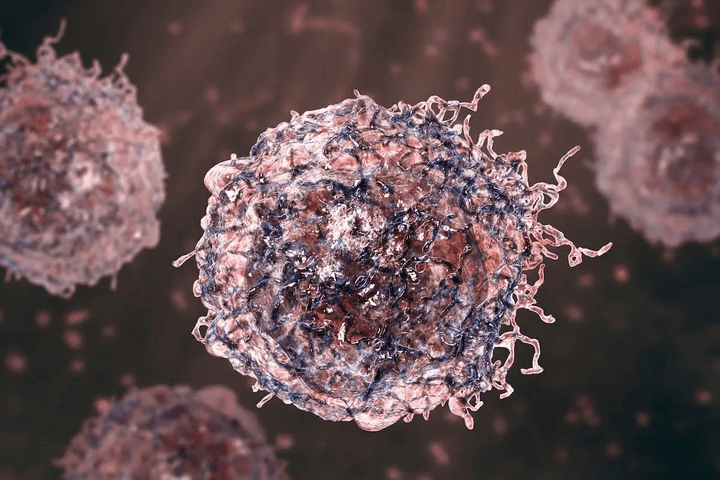
Sarcoma cancer may be rare, but awareness is essential. Because its symptoms are often subtle in the...