
How Precision Machining and Swiss Manufacturing Are Shaping the Future of Industrial Production
Precision machining and Swiss manufacturing are no longer niche capabilities, they are foundational...

Friction may seem like a minor detail in the vast complexity of factory operations, but its hidden costs are substantial.
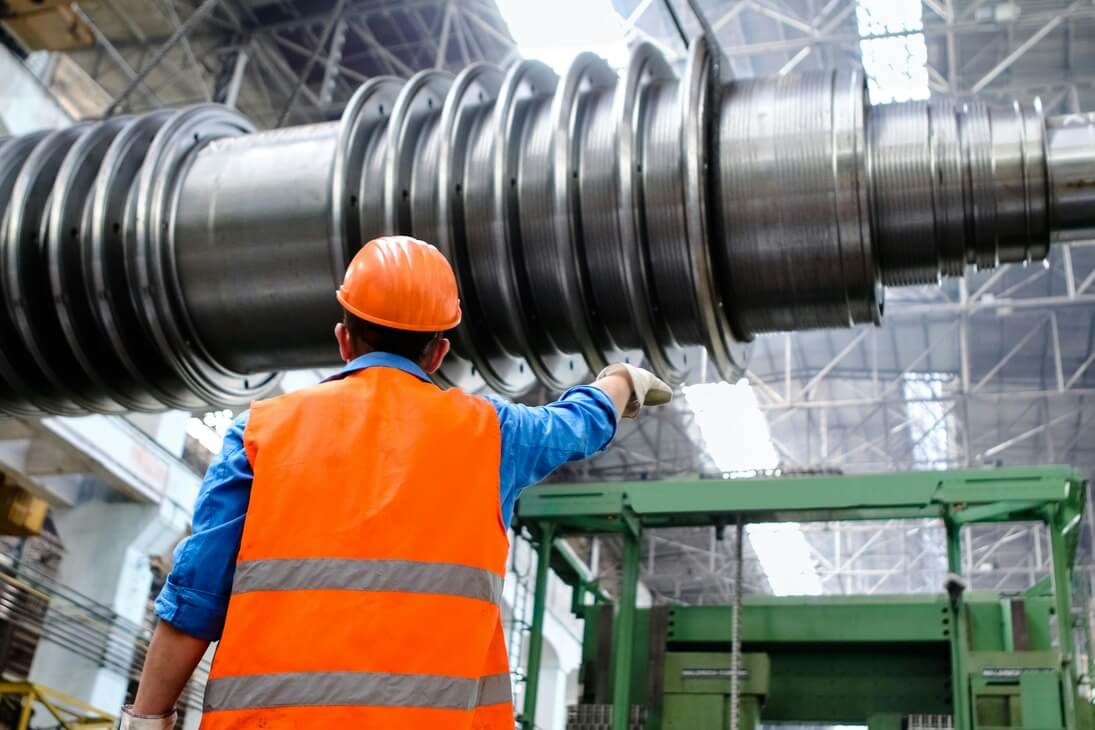
In modern manufacturing, efficiency is often measured in seconds, and those seconds translate directly into profitability. While most discussions about factory optimization focus on automation, throughput, and labor savings, one factor quietly undermines performance: friction. Every unnecessary resistance in a system; whether mechanical, operational, or procedural, adds cost. It slows production, increases wear, and introduces variability that compromises quality. Smooth motion is not just a technical preference; it is a financial imperative. Factories that prioritize friction reduction see measurable gains in reliability, energy efficiency, and return on investment (ROI).
Friction is more than a physical phenomenon. In manufacturing environments, it manifests as mechanical drag, misalignment, and even software latency. Each form of resistance creates inefficiencies that ripple through the production line. Mechanical friction in actuators and bearings forces motors to work harder, consuming more energy and generating heat that accelerates component fatigue. Misalignment between moving parts leads to uneven wear, which shortens equipment life and increases maintenance costs.
Operational friction compounds these issues. When machines require frequent adjustments or exhibit inconsistent performance, operators spend time troubleshooting instead of producing. These delays reduce overall equipment effectiveness (OEE), a key metric for factory profitability. Over time, the cumulative effect of friction is significant: higher energy bills, more downtime, and lower throughput; all of which erode ROI.
The most effective way to combat friction is through precision engineering. High-quality components, tight tolerances, and advanced materials minimize resistance at every point of contact. Bearings with optimized lubrication reduce drag, while low-backlash gear systems maintain smooth torque transmission. Linear guides designed for rigidity and accuracy prevent micro-vibrations that can disrupt motion profiles.
Beyond hardware, software plays a critical role. Motion control algorithms that anticipate load changes and compensate for inertia keep movements fluid. Predictive maintenance systems monitor vibration and temperature, identifying early signs of friction-related wear before failures occur. By combining mechanical precision with intelligent control, manufacturers create systems that operate with minimal resistance, extending equipment life and improving consistency.
In automated workcells, friction often hides in transitions between processes. A robot may execute its programmed path flawlessly, but if the handoff between stations is rough or misaligned, the entire system suffers. Smooth transfers are essential for maintaining cycle time and preventing part damage. This is where specialized equipment comes into play.
One example is the robot transfer unit, which enables robots to move along a linear axis to service multiple stations without sacrificing positional accuracy. When engineered with rigid rails, precision encoders, and synchronized motion control, these units eliminate the jerky movements that cause misalignment and wear. By reducing friction during transfers, they help maintain consistent throughput and protect delicate components. The result is a system that not only moves efficiently but also preserves the integrity of every part it handles.
Friction does not just affect speed and accuracy; it impacts energy consumption. Every additional force required to overcome resistance translates into higher power demand. In large-scale operations, even small inefficiencies accumulate into substantial energy costs. Motors running against friction generate excess heat, which often requires additional cooling systems, further increasing energy use.
Reducing friction aligns with sustainability goals. Lower energy consumption means fewer emissions for facilities tied to carbon reduction targets. Equipment that operates smoothly also lasts longer, reducing the need for replacement parts and minimizing waste. These benefits extend beyond compliance; they strengthen a manufacturer’s competitive position by lowering operating costs and supporting environmentally responsible practices.
The financial case for friction reduction is compelling. Consider the cumulative impact of downtime, energy waste, and maintenance expenses. A single hour of unplanned downtime can cost thousands of dollars in lost production. Multiply that by recurring failures caused by friction-related wear, and the numbers escalate quickly. Conversely, investing in precision components, advanced motion control, and optimized transfer systems pays dividends through higher uptime and lower operating costs.
Manufacturers that track OEE and energy metrics often find that friction reduction initiatives deliver rapid payback. Improved reliability reduces scrap rates, while smoother motion shortens cycle times without compromising quality. These gains translate directly into ROI, making friction management not just a technical priority but a strategic business decision.
Friction may seem like a minor detail in the vast complexity of factory operations, but its hidden costs are substantial. Every point of resistance drains energy, slows production, and accelerates wear, undermining profitability. By prioritizing smooth motion through precision engineering, intelligent control, and optimized integration, manufacturers unlock significant efficiency gains. The result is a production environment that runs faster, lasts longer, and delivers stronger returns; a clear reminder that in modern manufacturing, friction is more than physics. It is a barrier to ROI, and eliminating it is a path to competitive advantage.
You must be logged in to post a comment.
Explore our curated selection of various articles in this category
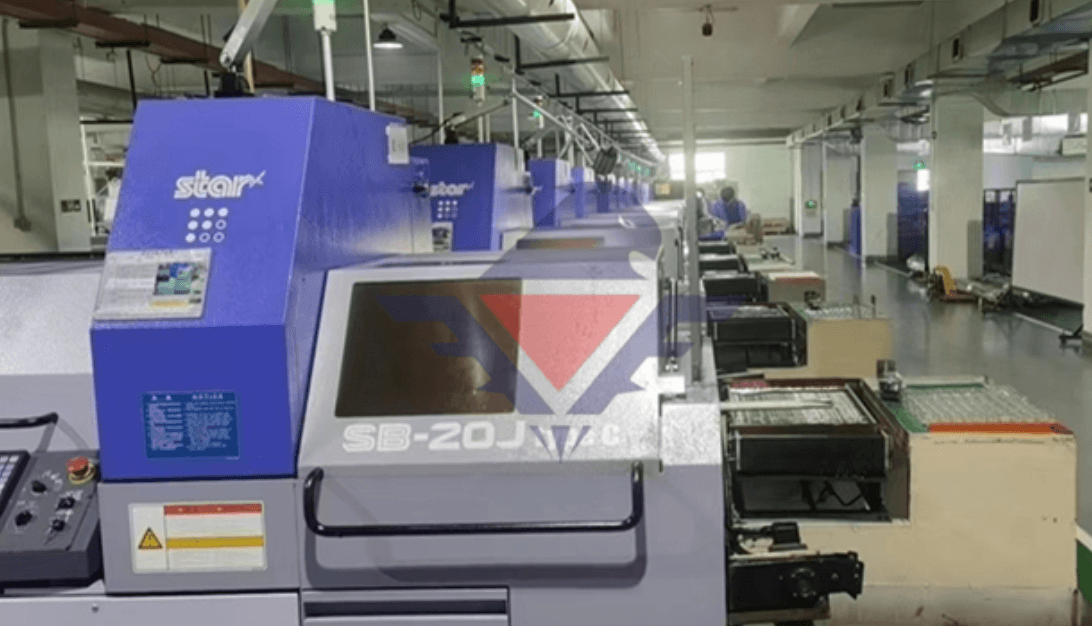
Precision machining and Swiss manufacturing are no longer niche capabilities, they are foundational...
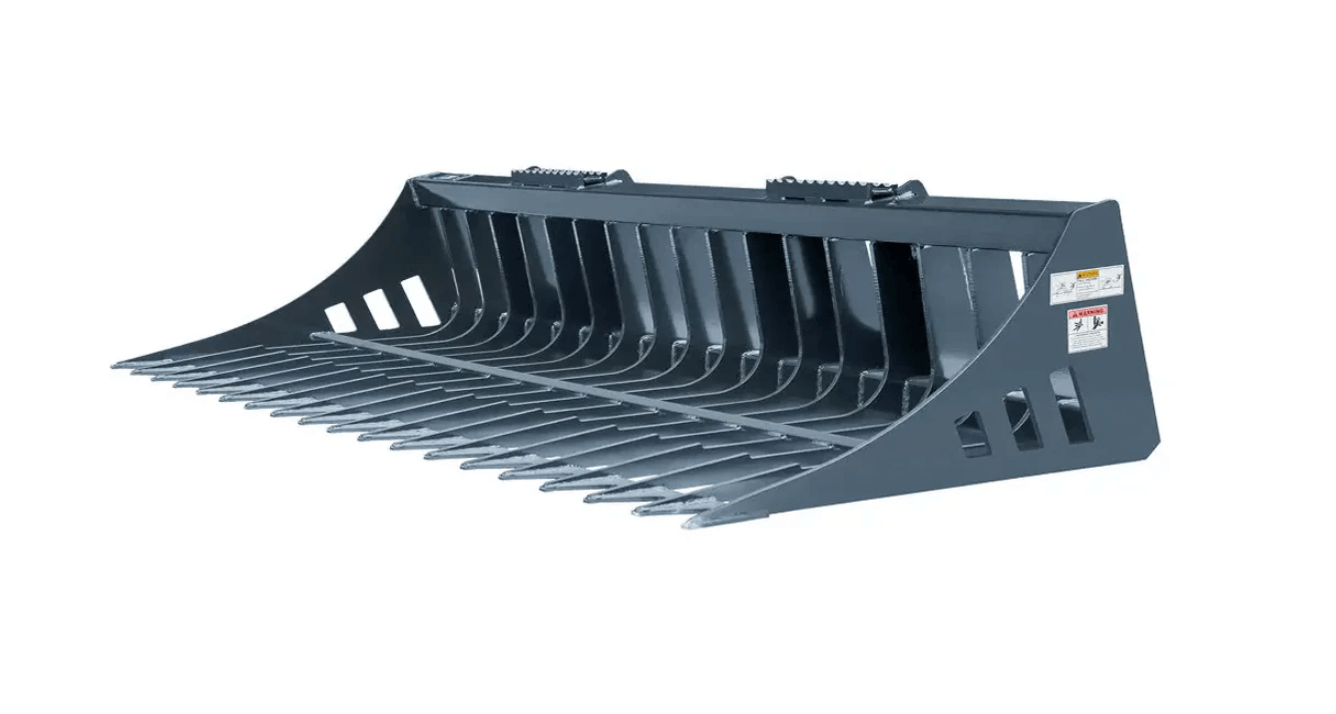
The rock skeleton bucket is a mature technology that continues to be refined through improved materi...