
Running B2B Email Marketing Without a Dedicated Team
Running B2B email marketing without a dedicated team is possible with the right tools, strategy, aut...

From taproom moments to social media posts, breweries can use real stories to connect with beer lovers. This article explores practical craft beer marketing ideas, local content, customer questions, and simple ways to build a useful online presence.
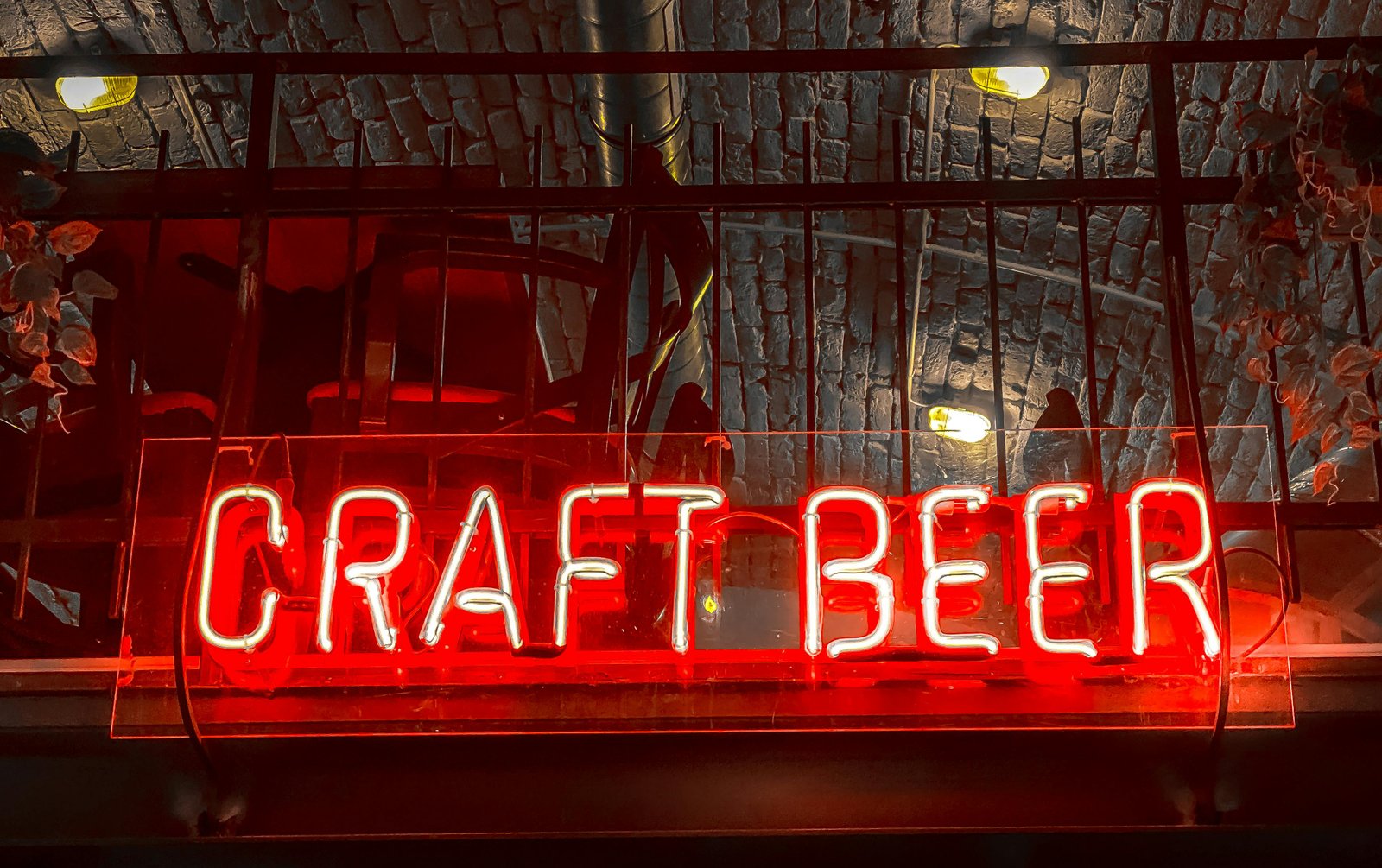
A good brewery has more stories than most businesses realize. There is the story behind the first recipe. There are the people who work in the brewhouse. There are regulars who know the taproom by heart. There are new beers that take weeks of testing before they reach a glass.
I am of the belief that these daily life experiences can be turned into valuable content as long as they are presented correctly.
Marketing craft beer is not just about showing off an already-finished beer. It also includes educating consumers about the environment, people, and concepts surrounding the brew. The social media platform provides breweries with an easy means of doing this while maintaining connections within the local community.
The visitors at the brewery are not just there for a drink; they might be there to meet people, enjoy some music, watch a game, or even get educated on beers.
That makes the taproom a useful source of content.
A brewer explaining why a certain hop was selected can become a short video. A staff member describing a seasonal beer can become a simple post. A busy event can provide photos that show what the taproom feels like.
In addition, the Brewers Association suggests that individuals, products, events, spaces, and community activities can be valuable topics for breweries' social media content.
Rather than asking, "What should we post today?", it might make more sense to ask:
What happened at the brewery today that a customer would find interesting?
That question usually produces better ideas.
A common mistake is to think that every social media post needs a completely new idea.
It does not.
One taproom story can be used in several formats without copying the same post.
For example, imagine a brewery releases a new pale ale.
The original story could include:
Each piece gives the audience a different reason to pay attention.
Another benefit of this approach is that it helps to plan content for small breweries that might not have someone making content every day.
Having good beer does not mean that the brewery feels close on social media, if it talks about cans, bottles, and glasses in all posts.
People want to know who is behind the business.
Show the brewer checking a batch. Show the taproom team preparing for an event. Introduce someone who has been part of the brewery for years. Explain what a normal brewing day looks like.
These stories do not need expensive production.
It could just be the combination of a picture taken by the phone and a simple explanation.
The Brewers Association advises the use of social media to communicate the values of the brewery, its history, and its personality.
This gives the brewery a chance to speak as individuals rather than as a business creating advertisements.
Some of the most useful posts are answers to questions customers already ask.
Think about what people want to know before visiting or trying a new beer.
Questions might include:
These questions can become social posts, videos, website articles, and frequently asked questions.
This is where craft beer SEO can support social media work. When the same questions appear repeatedly, they can also become useful topics for a brewery website.
Social media and search should not be treated as completely separate activities.
The website is an outlet that answers specific questions, whereas social media sites can bring these questions up among the audience in a more visualized way.
For instance, if the brewery site publishes an article on the release of the new IPA, the article will cover the whole process of production and tasting, while the social media post will feature a quick clip of the brewer talking about the beer.
Each of them plays a separate role.
Search makes it easy for people to find what they need if they want to search something. The second tool helps in being present before people who are already following this brewery or may get to know about it through sharing posts.
There is also one interesting point in the recent guide by Brewers Association on the brewery digital presence.
When I think about the role of a craft beer marketing agency, I do not think the first task should be creating more posts.
The first task should be understanding what the brewery already has.
That means looking at:
This helps create a strategy based on the brewery rather than a generic content calendar.
Craft Beer Marketing Firm Should Understand That All Breweries Have Differently Targeted Audiences. Neighborhood Taproom May Require Different Content Than Brewery Sells Their Products Through Retailers in Various States.
Local content can be especially useful for breweries.
A brewery is part of a physical community. Its social media can reflect that connection.
Posts could feature:
The Brewers Association has recommended genuine partnerships with local businesses, artists, nonprofits, and community organizations as part of brewery social media activity.
The important word is genuine.
A brewery should not tag another business simply to get attention. The connection should make sense to both audiences.
A social media account becomes difficult to follow when every post has the same purpose.
If every image says that a beer is available now or asks people to visit the taproom then the account can start to feel like an advertisement.
A better mix can include information, entertainment, education, community stories, and product information.
For example:
Education:
Explain the difference between two beer styles.
Behind the scenes:
Show how a batch moves through the brewery.
People:
Introduce a member of the brewing or taproom team.
Community:
Share a local partnership or event.
Product:
Explain a new release and its tasting notes.
Conversation:
Ask customers about a beer style they want to see next.
This gives people different reasons to follow the account.
Beer terminology can become confusing for people who are not experienced beer drinkers.
Terms such as IBU, attenuation, dry hopping, and malt profile can be useful when they are explained properly. But using technical language without context can make a post harder to understand.
I prefer simple descriptions.
Instead of only saying that a beer has a certain hop profile, explain what someone might actually notice when drinking it.
For example:
"This pale ale has a light body with citrus notes and a clean finish."
That tells a new customer more than a long list of technical terms.
The Brewers Association has recommended placing useful tasting information near the beginning of social captions and using language that newer beer drinkers can understand.
Likes are easy to see but they do not tell the whole story.
A brewery should look at actions that connect with its goals.
Useful measurements can include:
The right measurement depends on what the brewery is trying to accomplish.
If the goal is event awareness then event page visits may matter more than likes.
If the goal is local discovery then searches and direction requests may be more useful.
The Brewers Association also recommends measuring marketing efforts to understand what is working and where changes may be needed.
A brewery does not need to publish something complicated every day.
A simple weekly plan could look like this:
Monday:
Share something from behind the scenes.
Tuesday:
Answer a common beer question.
Wednesday:
Introduce a team member.
Thursday:
Share information about an upcoming event.
Friday:
Show the taproom or a current beer.
Weekend:
Share real time moments from the brewery when appropriate.
The exact schedule can change. What matters more is having useful subjects ready before the week begins.
The strongest brewery stories are often already sitting inside the taproom.
They are in the brewing process. They are in conversations between staff and customers. They are in local partnerships. They are in new recipes and old traditions.
This is just social media providing a means for breweries to capture some of those moments for people who aren’t actually standing behind the bar.
Craft beer marketing that is done well doesn’t have to make every post seem like an ad. It can provide information, educate on beer, connect people, demonstrate the community, and help potential customers get a sense of what they’re getting into.
That is also why I see craft beer marketing as more than posting photos of beer. It is about finding useful stories and giving them a clear place across social media, websites, search, and the taproom experience.
When the online story reflects the real brewery, the content feels more natural. And when customers can recognize the people and place behind the beer, there is more for them to remember than just the name on the glass.
You must be logged in to post a comment.
Explore our curated selection of various articles in this category

Running B2B email marketing without a dedicated team is possible with the right tools, strategy, aut...

Discover proven SEO strategies to rank #1 on search engine results and maintain your top spot. Learn...

Choosing the right website design Malaysia company is more than a one-time decision, it’s a strategi...