
Peptide Catalog Costa Rica
Address San José, Merced, 10102, Costa Rica Phone: +1 (831) 471-5559 Website https://catalog.pe...

Stomach cancer is a serious disease that should never be ignored. Because the early symptoms are often subtle, many people mistake them for ordinary digestive issues.

Stomach cancer, also known as gastric cancer, is one of the most serious health conditions affecting millions of people worldwide. While medical advancements have improved treatment options over the years, early detection remains the biggest challenge. The disease often develops slowly and may not show noticeable symptoms in its early stages, which is why many cases are diagnosed late.
Understanding the causes, warning signs, risk factors, and treatment options can help people become more aware of this condition and seek medical attention when necessary.
What Is Stomach Cancer?
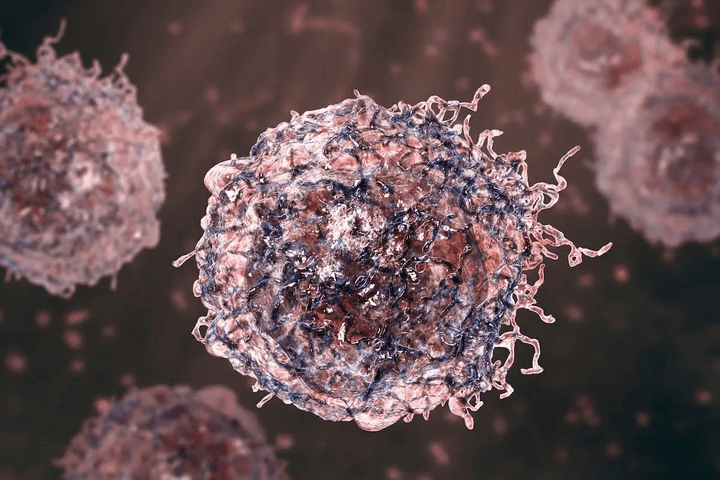
Stomach cancer occurs when abnormal cells begin growing uncontrollably in the lining of the stomach. Over time, these cells can form tumors and spread to nearby organs or other parts of the body. Most stomach cancers begin in the inner lining of the stomach and gradually grow deeper into the stomach wall.
Although stomach cancer can affect anyone, it is more commonly seen in older adults, especially men over the age of 50. Lifestyle habits, diet, genetics, and certain infections can all contribute to the risk of developing the disease.
Common Causes and Risk Factors
There is no single cause of stomach cancer, but several factors are known to increase the likelihood of developing it.
1. Helicobacter pylori Infection
One of the most common risk factors is infection with Helicobacter pylori (H. pylori), a type of bacteria that can cause stomach ulcers and chronic inflammation. Long-term infection may damage the stomach lining and increase cancer risk.
2. Poor Dietary Habits
A diet high in salty, smoked, or processed foods may contribute to stomach cancer. On the other hand, diets rich in fresh fruits and vegetables are believed to help reduce the risk.
3. Smoking and Alcohol
Smoking significantly increases the chances of developing stomach cancer. Heavy alcohol consumption may also irritate the stomach lining and contribute to the disease.
4. Family History
People with a family history of stomach cancer may have a higher risk due to inherited genetic factors.
5. Obesity
Being overweight or obese has been linked to several types of cancer, including stomach cancer.
Early Symptoms of Stomach Cancer
One of the reasons stomach cancer is difficult to detect early is because the symptoms are often mild and similar to common digestive problems. Many people ignore these warning signs until the disease becomes advanced.
Some early symptoms may include:
As the cancer progresses, symptoms may become more severe, including vomiting blood, difficulty swallowing, or black-colored stools.
How Stomach Cancer Is Diagnosed
Doctors use several methods to diagnose stomach cancer. The most common procedure is an endoscopy, where a thin tube with a camera is inserted through the mouth to examine the stomach lining. During this procedure, tissue samples may also be taken for biopsy.
Other diagnostic tests may include:
Early diagnosis can greatly improve treatment success and survival rates.
Treatment Options for Stomach Cancer
Treatment depends on the stage of the cancer, the patient’s overall health, and how far the disease has spread.
Surgery
Surgery is often the primary treatment for stomach cancer, especially when detected early. Doctors may remove part or all of the stomach depending on the size and location of the tumor.
Chemotherapy
Chemotherapy uses powerful drugs to destroy cancer cells. It may be given before surgery to shrink tumors or after surgery to reduce the risk of recurrence.
Radiation Therapy
Radiation therapy uses high-energy rays to target and kill cancer cells. It is sometimes combined with chemotherapy for better results.
Targeted Therapy and Immunotherapy
Modern cancer treatments now include targeted therapies and immunotherapy, which help the immune system fight cancer more effectively.
Can Stomach Cancer Be Prevented?
While not all cases can be prevented, certain lifestyle changes may lower the risk of stomach cancer.
Eat a Healthy Diet
Consuming more fruits, vegetables, and whole grains while limiting processed and salty foods can support stomach health.
Quit Smoking
Stopping smoking is one of the most effective ways to reduce cancer risk.
Maintain a Healthy Weight
Regular exercise and balanced eating habits can help prevent obesity-related health problems.
Treat H. pylori Infection
If diagnosed with H. pylori infection, proper medical treatment can help reduce long-term complications.
Regular Medical Checkups
People with a family history or ongoing digestive issues should not ignore symptoms and should consider routine screenings.
Living With Stomach Cancer
A stomach cancer diagnosis can be emotionally and physically challenging. Patients often face changes in eating habits, digestion, and daily routines. Emotional support from family, friends, healthcare providers, and support groups can make a significant difference during treatment and recovery.
Advances in medical science continue to improve survival rates and quality of life for many patients. Early detection, timely treatment, and healthy lifestyle choices remain the strongest tools in fighting stomach cancer.
Stomach cancer is a serious disease that should never be ignored. Because the early symptoms are often subtle, many people mistake them for ordinary digestive issues. Paying attention to persistent stomach problems and seeking medical advice early can lead to faster diagnosis and more effective treatment.
Awareness is the first step toward prevention. By understanding the causes, symptoms, and treatment options, people can make informed decisions about their health and reduce the risks associated with stomach cancer.
You must be logged in to post a comment.
Explore our curated selection of various articles in this category

Address San José, Merced, 10102, Costa Rica Phone: +1 (831) 471-5559 Website https://catalog.pe...

Address Garabito, Puntarenas 61101 Country: Costa Rica Phone: +1 (831) 471-5559 Website https:...
Sarcoma cancer may be rare, but awareness is essential. Because its symptoms are often subtle in the...