
Holistic Care Without the Price Tag: What's Actually Affordable and What Isn't
Holistic care can get expensive fast. See what's genuinely affordable, what isn't, and how to find c...

Sarcoma cancer may be rare, but awareness is essential. Because its symptoms are often subtle in the beginning, many cases are diagnosed later than they should be.
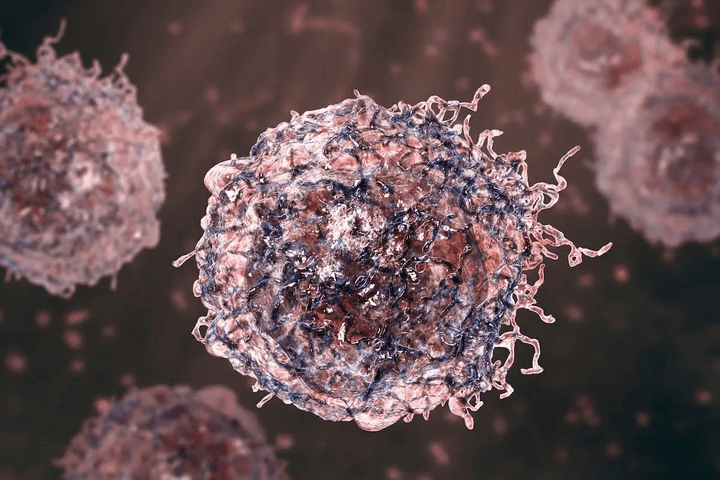
Sarcoma cancer is one of the less common forms of cancer, yet it can affect people of all ages. Because it is rare and often misunderstood, many people are unaware of its warning signs until the disease has already progressed. Unlike more familiar cancers that develop in organs such as the lungs or breast, sarcoma begins in the body’s connective tissues. These include muscles, bones, fat, blood vessels, nerves, and cartilage.
Although sarcoma accounts for a small percentage of cancer cases worldwide, early diagnosis and proper treatment can significantly improve outcomes. Learning about its symptoms, causes, and treatment options can help individuals recognize potential warning signs and seek medical care sooner.
What Is Sarcoma Cancer?
Sarcoma is a type of cancer that develops in connective or supportive tissues of the body. It is generally divided into two main categories:
Soft Tissue Sarcoma
Soft tissue sarcoma forms in tissues such as muscles, tendons, fat, nerves, and blood vessels. These tumors can appear almost anywhere in the body, but they are most commonly found in the arms, legs, or abdomen.
Bone Sarcoma
Bone sarcoma starts in the bones. Osteosarcoma is one of the most well-known forms and is more commonly seen in teenagers and young adults.
There are more than 70 different subtypes of sarcoma, which makes diagnosis and treatment more complex than many other cancers.
Causes and Risk Factors
The exact cause of sarcoma cancer is not always clear. In many cases, doctors cannot identify a direct reason why the disease develops. However, certain risk factors may increase the likelihood of developing sarcoma.
Genetic Conditions
Some inherited disorders are linked to a higher risk of sarcoma. These include conditions such as Li-Fraumeni syndrome and neurofibromatosis.
Radiation Exposure
People who have received radiation therapy for previous cancers may have a slightly increased risk of developing sarcoma years later.
Chemical Exposure
Long-term exposure to certain industrial chemicals and toxins may contribute to the development of soft tissue sarcoma.
Chronic Swelling
Persistent swelling in the arms or legs, known as lymphedema, has also been associated with certain forms of sarcoma.
Even with these risk factors, many people diagnosed with sarcoma have no clear medical history or known exposure.
Symptoms of Sarcoma Cancer
Sarcoma symptoms often depend on the location and size of the tumor. In the early stages, the disease may not cause pain or discomfort, which makes it difficult to detect.
Some common warning signs include:
One of the most overlooked symptoms is a lump that continues growing over time. Many people assume it is harmless and delay medical attention. Any unusual lump that increases in size or becomes painful should be evaluated by a doctor.
How Sarcoma Is Diagnosed
Diagnosing sarcoma usually involves several medical tests. Doctors often begin with a physical examination followed by imaging tests to better understand the tumor.
Imaging Tests
Scans such as MRI, CT scans, X-rays, and PET scans help doctors determine the size and location of the tumor.
Biopsy
A biopsy is the most important step in confirming sarcoma cancer. During this procedure, a small tissue sample is removed and examined under a microscope.
Laboratory Tests
Additional blood tests and pathology studies may help identify the exact subtype of sarcoma, which is essential for choosing the right treatment plan.
Because sarcoma is rare, diagnosis is often best handled by specialists with experience in treating connective tissue cancers.
Treatment Options for Sarcoma Cancer
Treatment depends on several factors, including the type of sarcoma, its stage, location, and whether the cancer has spread.
Surgery
Surgery is the most common treatment for sarcoma. The goal is to remove the tumor completely while preserving as much healthy tissue as possible.
Radiation Therapy
Radiation therapy may be used before or after surgery to destroy remaining cancer cells and reduce the chance of recurrence.
Chemotherapy
Chemotherapy uses powerful drugs to target cancer cells. Some forms of sarcoma respond well to chemotherapy, while others may not.
Targeted Therapy
Targeted drugs are designed to attack specific cancer cells without harming normal tissues. These treatments have improved outcomes for certain sarcoma patients.
Immunotherapy
In some cases, immunotherapy may help the immune system recognize and fight cancer cells more effectively.
Modern cancer treatment often combines multiple therapies to achieve the best results.
Living With Sarcoma
A sarcoma diagnosis can be overwhelming for both patients and families. Physical symptoms, emotional stress, and treatment side effects can impact daily life. Support from healthcare professionals, family members, and cancer support groups plays an important role in recovery.
Patients recovering from surgery or treatment may require physical therapy to regain strength and mobility. Emotional health is equally important, as anxiety and fear are common during cancer treatment.
Advances in medical research continue to improve survival rates and treatment options for sarcoma patients. Many individuals go on to live active and fulfilling lives after successful treatment.
Can Sarcoma Be Prevented?
There is no guaranteed way to prevent sarcoma cancer, but maintaining overall health may reduce certain risks. Limiting exposure to harmful chemicals, avoiding tobacco use, and attending regular medical checkups can support long-term wellness.
Most importantly, people should never ignore unusual symptoms such as persistent pain or unexplained lumps. Early medical evaluation can make a significant difference in treatment success.
Sarcoma cancer may be rare, but awareness is essential. Because its symptoms are often subtle in the beginning, many cases are diagnosed later than they should be. Understanding the warning signs and seeking prompt medical attention can improve the chances of early detection and successful treatment.
Medical advancements continue to provide hope for sarcoma patients around the world. With proper diagnosis, specialized care, and emotional support, many people are able to overcome the challenges of this disease and move forward with confidence.
You must be logged in to post a comment.
Explore our curated selection of various articles in this category

Holistic care can get expensive fast. See what's genuinely affordable, what isn't, and how to find c...
Stomach cancer is a serious disease that should never be ignored. Because the early symptoms are oft...

Discover how integrated UC tools help healthcare professionals improve communication, streamline wor...