
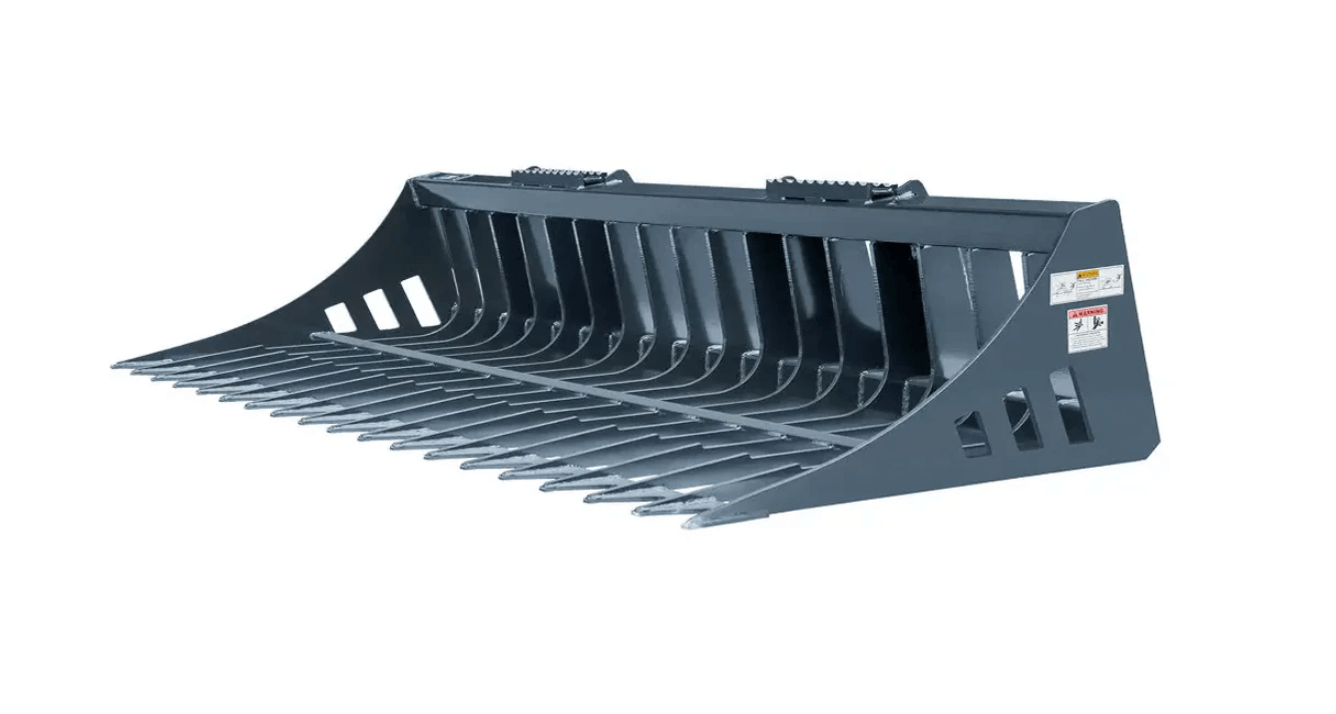
Maximizing Material Handling Efficiency with a Skid Steer Rock Skeleton Bucket
The rock skeleton bucket is a mature technology that continues to be refined through improved materi...

Precision machining and Swiss manufacturing are no longer niche capabilities, they are foundational elements of modern industrial strategy.
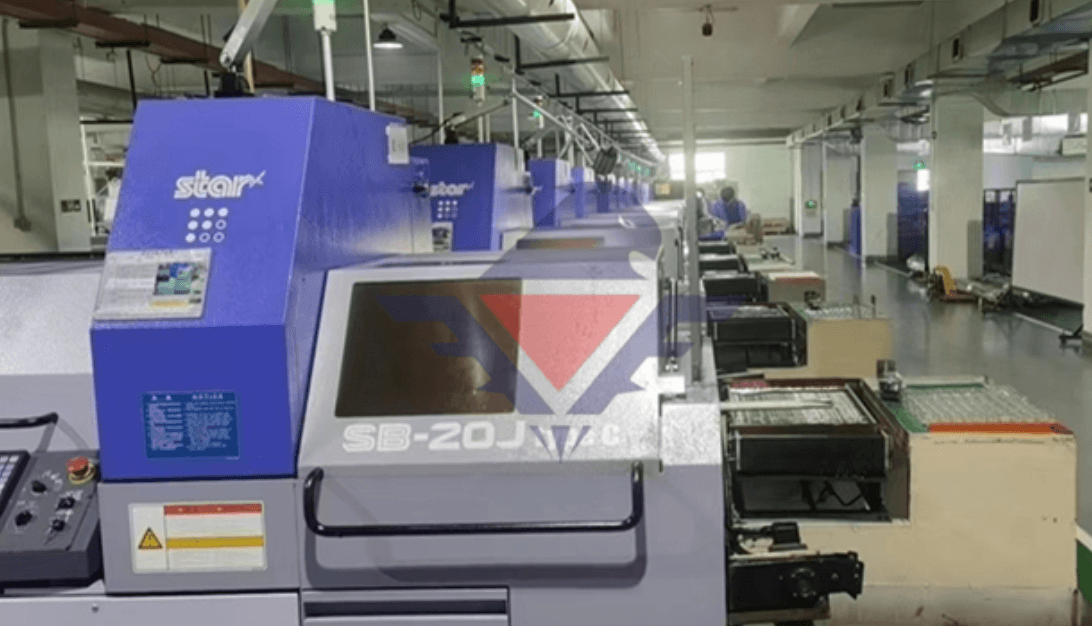
In an era defined by rapid technological innovation and global competition, the manufacturing industry faces unprecedented challenges and opportunities. From aerospace and medical devices to automotive and electronics, companies require components thatnot only meet exacting dimensional standards but also deliver superior performance and reliability. Against this backdrop, precision machining—particularly Swiss machining—has become an indispensable pillar of modern manufacturing strategy, combining exacting craftsmanship with scalable production capability.
Understanding the transformative role of these advanced manufacturing techniques is crucial for engineers, procurement professionals, and business leaders who seek to stay competitive in a world where quality and speed dictate success.
The Rise of Precision Machining in Modern Manufacturing
Precision machining refers to manufacturing processes that deliver components with extremely tight tolerances and consistent repeatability. These processes employ advanced machine tools—such as CNC (Computer Numerical Control) mills and lathes—alongside expert programming and measurement systems to achieve tolerances as fine as microns.
Historically, machining was seen largely as a subtractive process: material removed from a workpiece to create a desired shape. Over the decades, the advent of CNC technology revolutionized this paradigm, rendering repetitive, high-precision operations more accurate, efficient, and scalable than ever before. Today, precision machining supports industries where the smallest deviation can have profound consequences—such as in implantable medical devices or critical aerospace components.
Beyond traditional machining, the integration of digital tools—like CAD/CAM (Computer-Aided Design and Manufacturing) software, simulation platforms, and real-time machine data analytics—has elevated precision machining to a strategic asset. These digital workflows allow engineers to simulate part behavior, optimize toolpaths, and validate designs before production begins, reducing costly iteration cycles and material waste.
Swiss Machining: A Game Changer for Complex Components
Among various precision machining technologies, Swiss machining occupies a unique niche. Originating from the Swiss watchmaking industry, Swiss-style machining has evolved into a sophisticated method for producing parts that are both intricate and dimensionally stable.
Unlike conventional turning processes where the workpiece is held and supported only at one end, Swiss machining utilizes a guide bushing near the point of cut. This stabilizes slender and long parts, significantly reducing deflection and vibration. The result is a level of precision that traditional methods struggle to match—particularly when components have very tight tolerances, fine features, and complex geometries.
Companies like Falcon CNC Swiss specialize in this advanced form of machining. By leveraging state-of-the-art Swiss technology alongside engineering expertise, they deliver solutions that meet the stringent demands of high-tech industries. Their capabilities span a comprehensive suite of services, allowing clients to convert complex designs into manufacturable and functional products with confidence.
For professionals seeking detailed insights into the specific machining processes and service offerings, Falcon CNC Swiss provides a robust overview of their precision capabilities on their dedicated Swiss machining services page.
Precision-Made Components: Meeting Industry Needs
In high-performance industries, precision-machined components are not simply mechanical parts—they are mission-critical elements that determine product reliability, operational safety, and long-term performance. As industrial systems become more compact and technologically sophisticated, component tolerances shrink while functional expectations rise dramatically.
Modern sectors such as aerospace, medical devices, robotics, and performance automotive engineering rely on parts that must function flawlessly under extreme operating conditions. These precision Swiss machined components often face high rotational speeds, mechanical stress, temperature fluctuations, vibration loads, and chemical exposure. Even minor dimensional deviations can lead to performance inefficiencies, accelerated wear, or catastrophic system failure.
Increasing Complexity of Component Design
Engineering innovation continues to push component design toward higher complexity. Multi-axis geometries, ultra-thin wall structures, micro-features, and integrated functional surfaces are now common requirements. Traditional manufacturing processes frequently struggle to achieve these features without multiple setups or secondary operations, which increase production time and introduce tolerance stacking errors.
Precision machining—particularly advanced CNC and Swiss-type processes—enables manufacturers to produce intricate parts in fewer setups while maintaining dimensional integrity. Multi-axis machining centers allow simultaneous movements across several planes, creating complex contours and internal features with exceptional accuracy.
For example, a single medical implant component may require:
Achieving these specifications demands not only advanced machinery but also deep process knowledge and rigorous quality validation.
Material Versatility and Performance Requirements
Modern components must also be manufactured from an increasingly diverse range of materials, each selected for specific performance advantages. Stainless steels offer corrosion resistance and strength, titanium provides excellent strength-to-weight ratios, while engineered plastics enable electrical insulation and chemical resistance.
However, these materials present different machining behaviors:
Precision machining providers must tailor tooling strategies, cutting parameters, and cooling methods to each material type. This material-specific expertise ensures parts meet not only dimensional tolerances but also mechanical performance standards.
Surface Integrity and Functional Performance
Beyond dimensions, surface quality directly influences how components perform in real-world applications. Surface roughness affects friction, wear resistance, lubrication retention, and fatigue strength. In sectors like aerospace and medical technology, improper surface finishes can compromise both safety and regulatory compliance.
Precision machining processes incorporate fine-tuned cutting strategies and post-processing treatments to achieve required finishes. Deburring, polishing, micro-blasting, anodizing, and passivation are commonly applied to enhance durability and aesthetics while preventing corrosion and contamination.
Reliability Through Consistency
One of the most valuable advantages of precision machining lies in repeatability. Industrial buyers depend on the assurance that every component in a production batch will meet identical standards. Consistency supports interchangeability, simplifies assembly operations, and reduces inspection overhead.
By integrating automated tool monitoring, in-process measurement systems, and statistical quality control methods, manufacturers ensure batch-to-batch uniformity. This reliability becomes especially important in supply chains serving regulated industries, where documentation and traceability are mandatory.
As product lifecycles shorten and customization increases, precision-machined components allow manufacturers to respond rapidly without sacrificing quality—making them indispensable across advanced industrial ecosystems.
Digital Integration: Smart Manufacturing and Industry 4.0
Manufacturing is undergoing a digital transformation that is redefining how factories operate, how products are designed, and how production performance is optimized. Often referred to as Industry 4.0, this shift integrates digital technologies, intelligent automation, and real-time data exchange into traditional production environments.
Precision machining has become one of the most significant beneficiaries of this transformation.
Connected Machine Ecosystems
Modern CNC equipment is no longer standalone hardware; it functions as part of an interconnected production network. Sensors embedded throughout machining centers collect continuous operational data, including spindle loads, vibration frequencies, temperature variations, and tool wear metrics.
This information feeds into centralized monitoring platforms where engineers can:
Predictive maintenance alone can significantly reduce operational disruptions. Rather than waiting for tool breakage or equipment malfunction, smart systems detect early warning signs and recommend maintenance schedules based on actual usage conditions.
Digital Twins and Process Simulation
One of the most powerful Industry 4.0 tools is digital twin technology. A digital twin is a virtual replica of a physical machine or process that simulates real-world behavior under various conditions. Engineers use digital twins to test machining strategies, analyze stress distribution, and optimize toolpaths before material is ever cut.
Benefits include:
By validating machining processes in virtual environments, manufacturers minimize trial-and-error iterations and accelerate time-to-market.
CAD/CAM Integration and Automation
Computer-aided design and manufacturing software now integrates seamlessly with CNC equipment. Engineers can convert 3D models directly into machining instructions, allowing automated toolpath generation and precision control over cutting operations.
Advanced CAM platforms also optimize:
Automation extends beyond machining itself. Robotic part loading, automated inspection arms, and smart material handling systems streamline workflow efficiency and reduce labor-intensive tasks. This integration enables lights-out manufacturing—production environments capable of operating autonomously with minimal human intervention.
Data-Driven Quality Assurance
Quality control has evolved from reactive inspection toward proactive quality engineering. Smart machining systems capture dimensional measurements and process parameters at every stage, creating comprehensive production records.
Statistical process control software analyzes this data to identify variations and trends, enabling early corrective action. Manufacturers benefit from:
For regulated industries, digital traceability is a strategic asset that simplifies audits and certification processes.
Material Challenges and Evolving Machining Strategies
Meet today’s manufacturing demands, engineers often contend with materials that are stronger, lighter, and more difficult to machine. While materials like titanium, Inconel, and advanced composites offer performance advantages, they pose unique machining challenges such as rapid tool wear, thermal distortion, and difficult chip evacuation.
To address these challenges, manufacturers must adopt optimized tool geometries, advanced coolant delivery systems, and sophisticated motion control strategies. Machining specialists—including those leveraging Swiss technology—bring not only equipment capability but also process expertise that ensures material behavior is accounted for during production planning.
For instance, optimizing the cut strategy for a titanium medical implant differs greatly from producing stainless-steel automotive components. A nuanced understanding of material properties, combined with precision machining processes, results in superior outcomes across product categories.
Quality Systems, Traceability, and Compliance
In sectors with stringent quality regimes, such as aerospace and medical devices, precision alone is not sufficient; compliance with quality standards is mandatory. Industry frameworks like ISO 9001 and AS9100 demand rigorous documentation of processes, inspection protocols, and traceability records.
Advanced machining facilities often incorporate coordinate measuring machines (CMMs), laser scanners, and other metrology tools that provide detailed dimensional feedback. These results are logged and cross-referenced with production parameters, creating a rich dataset that supports both process validation and product certification.
By integrating quality assurance into every stage—from incoming material inspection to final part validation—manufacturers elevate their credibility and reduce the risk of non-conforming parts reaching customers.
Sustainability and Lean Manufacturing in Precision Production
Environmental responsibility and operational efficiency are increasingly interconnected priorities for modern manufacturers. As global regulations tighten and corporate sustainability initiatives expand, precision machining operations are adopting leaner and more environmentally conscious production strategies.
Material Optimization and Waste Reduction
Lean manufacturing principles emphasize maximizing value while minimizing waste. In machining operations, waste can take the form of excess raw material usage, scrap parts, inefficient workflows, and unnecessary secondary processing.
Advanced machining strategies reduce waste through:
Reducing scrap not only conserves material but also lowers procurement and disposal costs.
Energy Efficiency and Smart Resource Management
Modern machining centers are designed with energy efficiency in mind. Variable-speed drives, intelligent spindle controls, and automated standby modes reduce electricity consumption during idle periods.
Smart factories further enhance sustainability by monitoring resource usage in real time. Energy dashboards allow facility managers to identify high-consumption processes and implement targeted efficiency improvements.
Coolant systems have also evolved to reduce environmental impact. Advanced filtration and recycling systems extend coolant life, lower chemical waste, and maintain cutting performance without frequent disposal.
Process Consolidation and Operational Efficiency
Precision machining enables multiple operations to be consolidated into fewer setups. This reduces machine idle time, operator intervention, and part transportation between workstations. Fewer setups translate to:
Process consolidation aligns sustainability with productivity—achieving more output with fewer resources.
Long-Term Economic and Environmental Benefits
Sustainable machining practices deliver long-term financial advantages. Lower material waste, reduced energy costs, and streamlined workflows improve overall operational margins. At the same time, environmentally responsible production strengthens brand reputation and supports compliance with international environmental standards.
Manufacturers that embrace sustainable precision production position themselves as forward-thinking partners within global supply chains increasingly focused on ethical sourcing and green manufacturing initiatives.
Choosing a Machining Partner: What Matters Most
Selecting the right machining partner involves evaluating capabilities across technical, operational, and quality dimensions. Some of the critical questions to consider include:
Does the partner have experience with the specific materials and tolerances required?
Are their machining processes supported by robust digital workflows and inspection systems?
Can they provide traceable quality documentation aligned with regulatory standards?
Do they offer comprehensive services from prototyping through volume production?
Organizations willing to invest in this level of scrutiny often find that collaboration with a precision machining expert not only solves current challenges but also unlocks innovation potential across future product lines.
The Future Outlook: Precision and Competitive Advantage
As global markets evolve, manufacturing enterprises will continue turning to advanced machining techniques to meet complex requirements. The convergence of precision engineering, data-driven manufacturing, and material science is reshaping how components are designed and produced. In this landscape, companies that harness the full power of precision machining—backed by digital insights and quality systems—gain strategic advantages that extend beyond cost and time.
Innovation, agility, and reliability will be the defining traits of successful manufacturing organizations in the coming decade. Whether producing critical aerospace parts, life-saving medical components, or performance-enhancing automotive systems, precision machining technologies will remain at the forefront.
Conclusion
Precision machining and Swiss manufacturing are no longer niche capabilities—they are foundational elements of modern industrial strategy. By integrating advanced machine technologies, robust quality systems, and digital insights, manufacturers can consistently deliver high-performance components that meet stringent requirements.
For businesses seeking to elevate their manufacturing capabilities and partner with leaders in precision machining, exploring the services and component expertise available through companies like Falcon CNC Swiss can provide a strong foundation for collaboration and innovation.
You must be logged in to post a comment.
Explore our curated selection of various articles in this category
The rock skeleton bucket is a mature technology that continues to be refined through improved materi...
Friction may seem like a minor detail in the vast complexity of factory operations, but its hidden c...